Table of contents :
- OVERVIEW OF INTERNATIONAL REGULATIONS FOR READY-TO-EAT (RTE) POPCORN
- Why RTE Popcorn Requires Strict Compliance & Global Themes in Regulation
- NORTH AMERICA: REGULATORY REQUIREMENTS FOR POPCORN EXPORTS
- United States & Canada Regulations (Combined for Richer Content)
- EUROPEAN UNION: FOOD SAFETY AND COMPLIANCE REQUIREMENTS
- General Food Law, HACCP, Labeling & Additives (Integrated for Depth)
- ASIA: POPCORN IMPORT REGULATIONS ACROSS KEY MARKETS
- China, Japan, and South Korea Regulations (Combined for Stronger Content)
- FOOD SAFETY CONSIDERATIONS FOR RTE POPCORN EXPORTERS
- Microbiology, Raw Material Safety & Shelf-Life Control (Integrated)
- DOCUMENTATION AND CERTIFICATION NEEDED FOR EXPORT
- COA, Global Certifications & Customs Documentation (Integrated)
- POP-SMILE VISITOR-FRIENDLY FACTORY'S ROLE IN GLOBAL MARKET EXPANSION
- How Transparent Production Strengthens Trust and Boosts B2B Efficiency (Integrated for Depth)
- BEST PRACTICES FOR POPCORN EXPORTERS ENTERING GLOBAL MARKETS
- Compliance Checklist, Distributor Collaboration & Policy Tracking (Integrated)
But for exporters, every kernel represents something far more complex—safety validations, labeling rules, inspection reports, and the invisible trust that must travel across borders.
After years of working with international distributors, we've learned that global buyers do not only ask, “Is it delicious?” They ask:
“Is it safe?”
“Is it transparent?”
“Can I trust this brand to protect my customers?”
This article is written in a warm, approachable, consumer-friendly tone, yet grounded in professional expertise—helping you understand the global requirements behind ready-to-eat (RTE) popcorn, and how a transparent manufacturing environment, like a visitor-friendly factory, can strengthen international business relationships.
Why RTE Popcorn Requires Strict Compliance & Global Themes in Regulation
Although popcorn seems simple, ready-to-eat products are subject to stricter regulations in many markets because consumers eat them directly without reheating. As a result, countries commonly require:
- - End-to-end traceability from raw corn to packaged products
- - Clear allergen identification to avoid cross-contact risks
- - Microbiological control, especially molds, yeasts, and Salmonella
- - Strict hygiene standards for equipment, air quality, and personnel
- - Ingredient legality checks, especially for flavorings and sweeteners
These rules may appear demanding, but they all serve one purpose: to ensure people around the world can enjoy popcorn safely. Brands with transparent processes and visible food safety practices generally earn the trust of importers more quickly.
United States & Canada Regulations (Combined for Richer Content)
United States: FSMA and FDA Requirements
Popcorn exported to the US must comply with FDA regulations, especially the FSMA (Food Safety Modernization Act). Key expectations include:
- - Facility registration and renewal
- - Preventive Controls and PCQI oversight
- - Comprehensive allergen management
- - Proper US labeling: Nutrition Facts, Ingredients, Allergens, Net Weight
FSMA prioritizes risk prevention, requiring exporters to demonstrate that each batch is produced under controlled and safe conditions.
Canada: CFIA Emphasis on Labeling Accuracy
Canada's CFIA and SFCR regulations highlight accurate bilingual labeling and validated ingredient information. Requirements include:
- - Mandatory English and French labeling
- - Regulated nutrition facts format
- - Correct declaration of allergens and additives
Most exporters design a dedicated Canada-compliant labels to meet the dual-language rule.
 Swipe left and right to view the table
| Category | United States (FDA/FSMA) | Canada (CFIA/SFCR) |
| Factory Registration | Mandatory | Not mandatory, but documentation required |
| Label Language | English | English + French |
| Allergen Rules | Very strict | Strict |
| Additive Compliance | FDA list | Canadian approved list |
| Documentation Focus | Food safety plan | Supply-chain documentation |
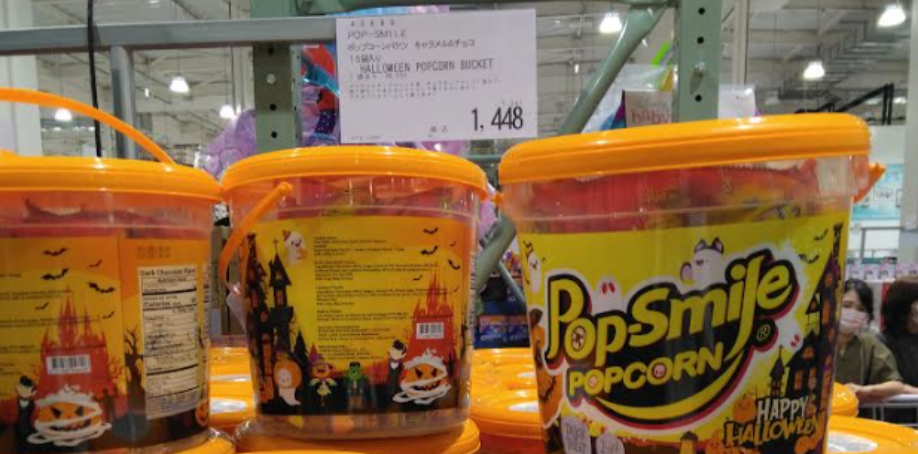
(Japan) Costco Halloween
General Food Law, HACCP, Labeling & Additives (Integrated for Depth)
The EU is widely known for having some of the strictest food regulations. Three key frameworks shape food safety compliance:
Regulation (EC) No 178/2002 — Foundational Food Safety Law
- - Mandatory “one step forward, one step back” traceability
- - Only safe food may enter the EU market
HACCP — Required for All Food Facilities
EU regulations requires manufacturing facilities to adopt fully documented HACCP systems that include:
- - A complete hazard analysis
- - Critical control points
- - Monitoring procedures
- - Corrective actions
FIC (Food Information to Consumers) Labeling Requirements
- - Allergens must be highlighted in bold within the ingredients list
- - Label language varies by member state
- - "Best Before" must be clearly printed
Swipe left and right to view the table| Category | European Union | North America |
| HACCP Requirements | Mandatory | US: product-dependent; Canada: widely practiced |
| Additive Control | Authorization-based, strict | More flexible |
| Labeling Precision | Very high | Moderate – high |
| Traceability Expectations | Strong (mandatory) | Required under FSMA but more flexible |
China, Japan, and South Korea Regulations (Combined for Stronger Content)
China: GB National Food Safety Standards
- - Mandatory Chinese-language labeling
- - Additives must comply with GB 2760 and other GB standards
- - Some overseas manufacturers may require additional registration before exporting
Japan: Detailed Rules for Additives and Oil Stability
- - Tight control of oil oxidation levels
- - Regulated flavorings and sweeteners
- - Clear allergen categories with "required" and "recommended" lists
South Korea: MFDS Oversight
- - HACCP required for many snack categories
- - Labels must include nutrition facts, country of origin, and storage conditions
- - Possible dual review: document checks and physical inspections
Swipe left and right to view the table| Category | China | Japan | South Korea |
| Label Language | Chinese | Japanese | Korean |
| HACCP Requirements | Varies | Recommended | Often mandatory |
| Additive Standards | GB system | Highly detailed approval system | MFDS standards |
| Import Review | Moderate – high | Moderate | Moderate – high |
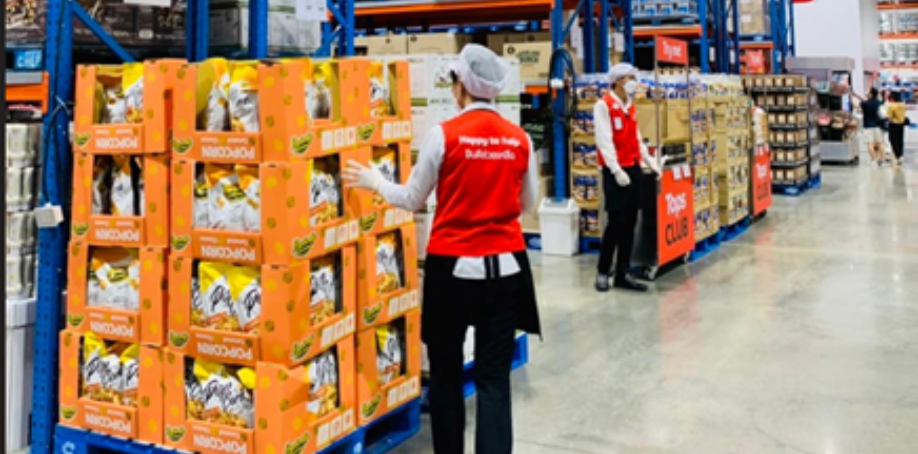
(China) Sam's Club
Microbiology, Raw Material Safety & Shelf-Life Control (Integrated)
Although popcorn has low water activity, it still requires careful monitoring to ensure long-term safety and flavor stability.
Microbiological Safety
- - Routine testing for molds, yeasts, and Salmonella
- - Control of humidity and dust within the facility
- - Sanitary air handling and equipment maintenance
Raw Material Quality
- - Corn must meet aflatoxin limits
- - Oils must pass peroxide value and acidity testing
- - Seasonings require heavy metal and pesticide assessments
Shelf-Life & Flavor Stability
- - Nitrogen flushing and foil packaging are common
- - Shelf-life testing should include oxygen, moisture, and light exposure
- - Adjustments may be needed for different climate zones
COA, Global Certifications & Customs Documentation (Integrated)
COA (Certificate of Analysis)
Typically includes:
- - Microbiology results
- - Water activity
- - Oil oxidation data
- - Allergen verification
Common International Certifications
- - HACCP
- - ISO 22000
- - GFSI schemes such as BRC or SQF
- - Country-specific requirements (eg, FSMA training for US exports)
Essential Export Documentation
- - Commercial Invoice
- - Packing List
- - Certificate of Origin
- - Ingredient list and Nutrition Facts
- - Any additional documents required by specific markets
How Transparent Production Strengthens Trust and Boosts B2B Efficiency (Integrated for Depth)
A visitor-friendly popcorn factory does more than provide an educational experience for families—it becomes a powerful trust-building asset in global trade.
Transparency as a Competitive Advantage
- - Importers can observe popping, coating, and packaging firsthand
- - Visible processes demonstrate stable, controlled quality
- - Transparency helps reassure buyers about safety, hygiene, and consistency
Supporting International Compliance
- - On-site HACCP and ISO documentation can be shown clearly
- - Buyers can review traceability logs and risk assessments directly
- - Video tours and virtual walk-throughs help facilitate remote audits
Positive Impact on Cross-Border B2B Partnerships
- - Increases confidence for ODM/OEM clients
- - Shortens evaluation time for new buyers
- - Provides clear brand storytelling—especially valuable for Asian exports
- - Helps distributors market a product backed by visible manufacturing integrity
By letting visitors see the full journey of each kernel, the brand naturally builds an emotional connection with consumers and professional confidence with global partners.
Compliance Checklist, Distributor Collaboration & Policy Tracking (Integrated)
Compliance Checklist
- - Accurate multilingual labeling
- - Verified allergen statements
- - Up-to-date COA and product specs
- - Shelf-life validation completed
Working With Importers
- - Provide a well-organized documentation package
- - Adjust formulas to meet regional preferences
- - Ensure consistent production, packaging, and delivery schedules
Monitoring Global Policy Changes
- - Review label templates annually
- - Stay connected with regulatory experts or trade associations
- - Track updates within target markets' food safety ministries
- - US FDA FSMA
https://www.fda.gov/food/food-safety-modernization-act-fsma
- - Health Canada/CFIA
https://inspection.canada.ca - - EU Regulation (EC) 178/2002
https://food.ec.europa.eu - - EU Food Information to Consumers (FIC)
https://food.ec.europa.eu/safety/labelling - - China GB Standards
https://www.gbstandards.org - - Japan MHLW
https://www.mhlw.go.jp - - Korea MFDS
https://www.mfds.go.kr